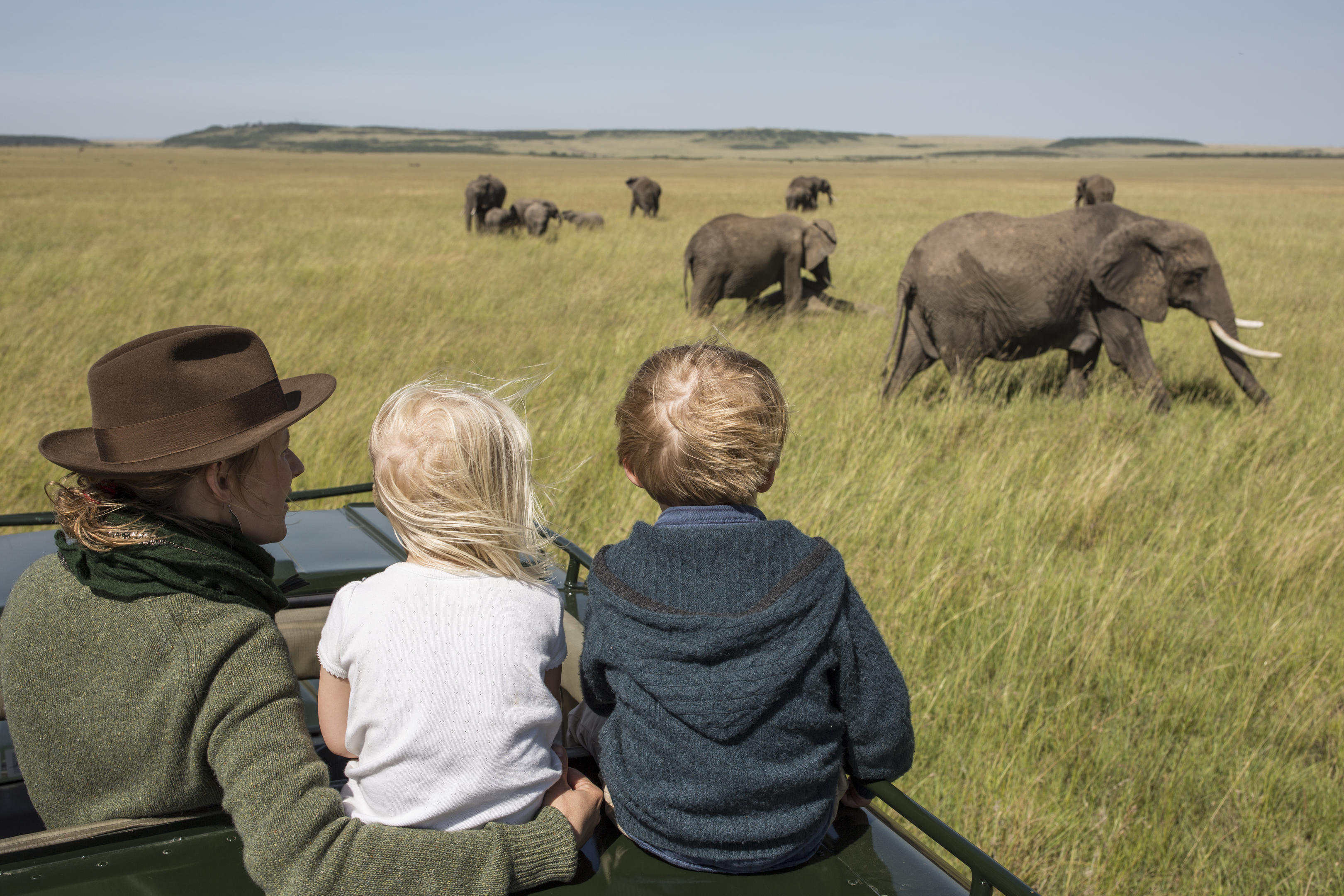
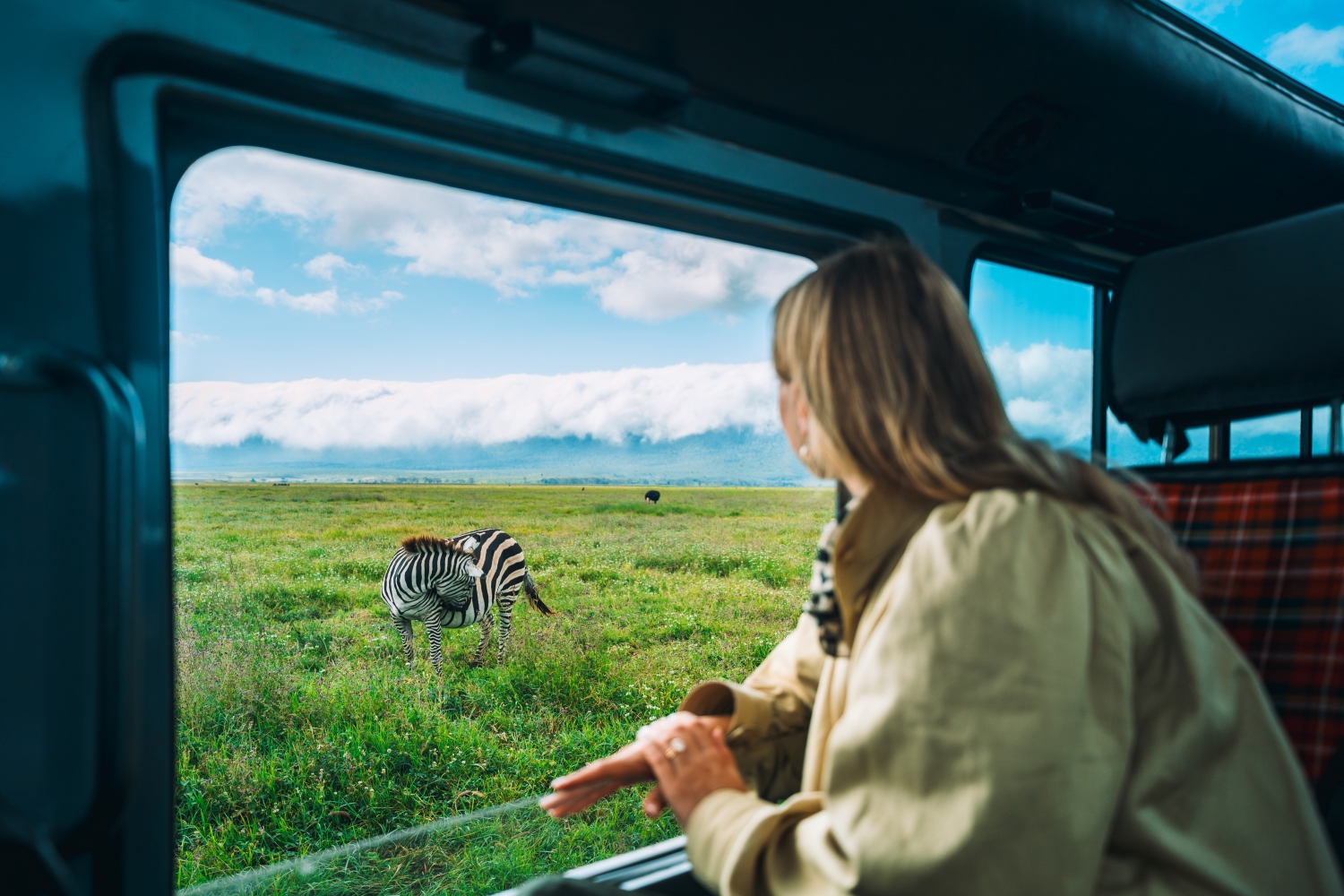
Explore deep operator profiles across East Africa’s four premier national sanctuaries. Privately mapped, structurally sound, and executed completely on the ground from Arusha.
Northern Tanzania represents the most concentrated wildlife theater on earth. Squeezed cleanly between the volcanic shelves of the Great Rift Valley escarpment and the endless migratory grasslands of the Maasai steppe, this geographic circuit moves seamlessly through completely different biospheres within short overland transit segments.
As independent ground operators based directly in Arusha, our team maps these destinations dynamically. We track regional watering hole indexes, seasonal migration paths, and changing park rules to ensure your private land cruiser enters each sanctuary at the absolute peak window of wildlife intensity.
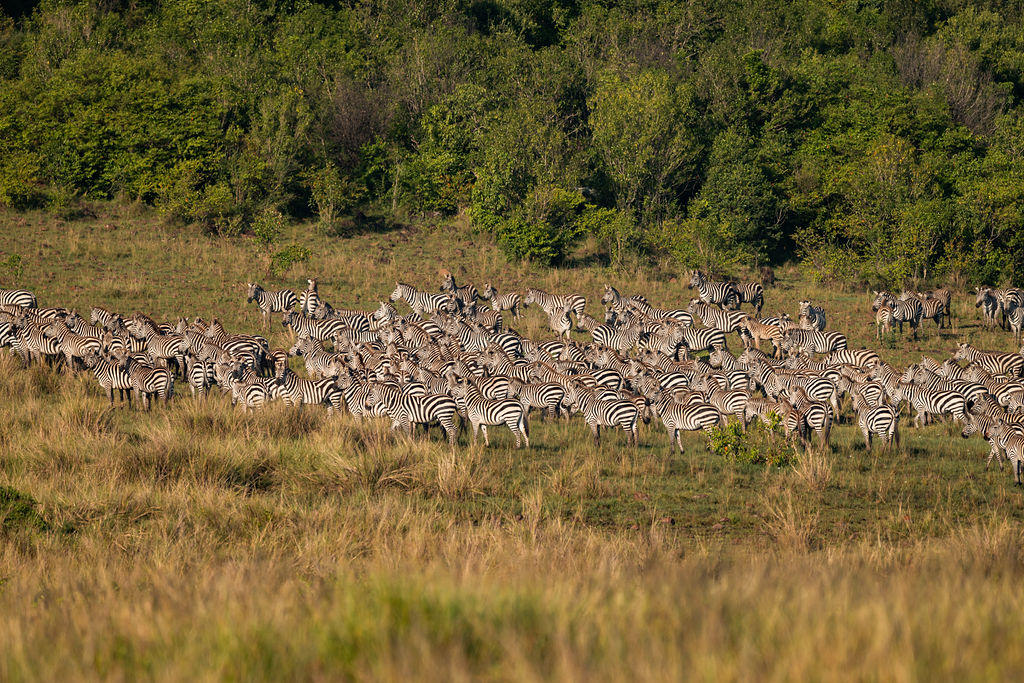
Spanning an immense 14,763 square kilometers of open grass plains, the Serengeti stands as the ultimate theater for big game tracking. This world-renowned sanctuary hosts the continuous loop of the Great Wildebeest Migration, alongside the highest density of large apex predators anywhere in East Africa.
Our team maps the Serengeti across three distinct operational sub-sectors—the central Seronera big cat networks, the western river corridors, and the remote northern Mara River crossing shelves—adjusting your camp positioning dynamically based on your travel dates.
Formed over three million years ago by the massive collapse of a volcanic super-mountain, the Ngorongoro Crater floor drops 600 meters vertically into a perfectly self-enclosed, 260-square-kilometer natural arena. It represents one of the most unique wildlife tracking theaters on earth.
The caldera floor shelters over 25,000 large mammals simultaneously. Because the rock walls create a natural boundary, it provides an exceptional opportunity to capture all the iconic Big Five within a single morning window—including a resident population of highly endangered black rhinos.
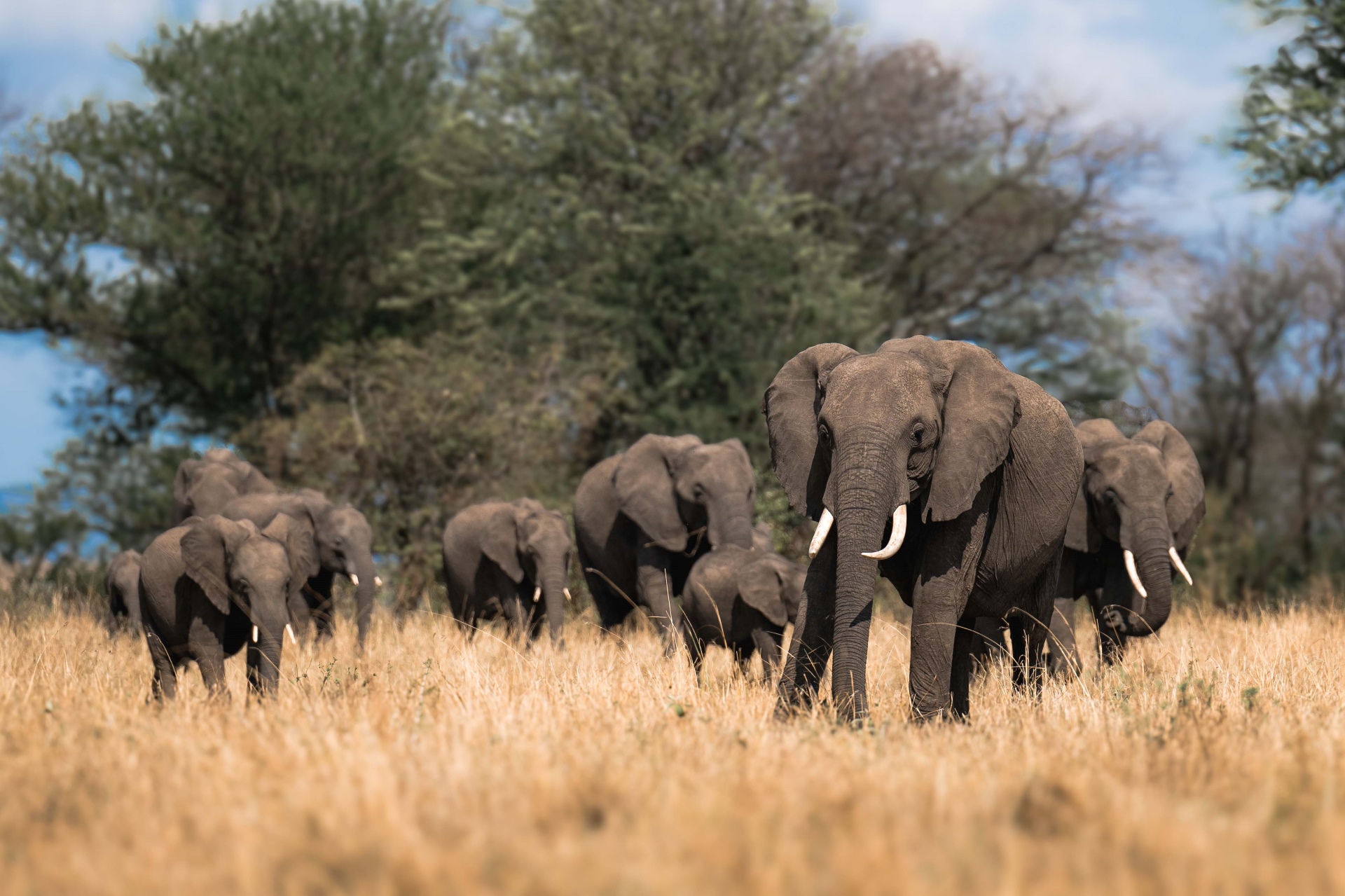
Characterized by rolling ridges heavily dotted with massive, millennium-old baobab trees, Tarangire features a ruggedly beautiful landscape. During the dry season (July to October), the permanent water lines of the Tarangire River become a vital ecological lifeline for the entire circuit.
Thousands of migratory elephants, cape buffaloes, and wildebeest move out of the dry surrounding steppe to cluster directly along the river lagoons. This seasonal concentration delivers spectacular predator tracking conditions and a dramatic visual landscape.
Squeezed directly against the sheer vertical rock wall of the Great Rift Valley escarpment, Lake Manyara packs incredible biodiversity into a compact space. Your game drive starts inside a dense, tropical groundwater forest fed by pressurized volcanic aquifers.
Further south, the forest opens up into a shimmering alkaline soda basin. When the nutrient levels line up, millions of pink lesser flamingos blanket the mud banks, flanked by large pods of hippos. Manyara is also globally famous for its rare tree-climbing lion behaviors and high-elevation canopy walkways.
A quick-reference architectural breakdown to help you balance your multi-park itinerary choices for the 2026-2028 seasons.
| Destination Park | Surface Area Dimensions | Primary Wildlife Specialty Focus | Optimal Peak Calendar Window | Overland Distance From Arusha |
|---|---|---|---|---|
| Serengeti National Park | 14,763 Square KM | Wildebeest Migration, Large Lion Prides, Leopards | Year-Round (Sector Dependent) | 320 km (7 Hours Drive / 1 Hour Flight) |
| Ngorongoro Crater Floor | 260 Square KM | Complete Big Five, Endangered Black Rhinos, Hyenas | Year-Round (Exceptional all seasons) | 180 km (3.5 Hours Private Tarmac Drive) |
| Tarangire National Park | 2,850 Square KM | Colossal Elephant Herds, Migratory Buffalo Lines | July to October (Dry Season Peak) | 120 km (2 Hours Smooth Overland Drive) |
| Lake Manyara National Park | 330 Square KM | Tree-Climbing Lions, Flamingos, Blue Monkeys | November to June (Avian Water Peaks) | 115 km (1.5 Hours Smooth Overland Drive) |
Clear, direct logistical guidance from our central Arusha office to help you structure your private route layout.
For a short 2-day to 3-day itinerary, we strongly advise sticking to Tarangire and the Ngorongoro Crater. Trying to force the Serengeti into a condensed timeline requires a grueling 7-hour road transit each way, leading to significant fatigue. Pushing into the Serengeti plains becomes logistically sound starting on a minimum 4-day timeline.
Overland driving safaris utilize our private 4x4 land cruisers from Arusha throughout your entire multi-park loop, which is highly scenic but involves long gravel tracks. A fly-in safari incorporates light aircraft bush planes connecting Arusha airport straight to remote wilderness airstrips like Seronera or Kogatende, maximizing tracking time by cutting out road transits.
Yes, absolutely. Every single destination permit, overnight lodge concession tax, and special vehicular crater descent fee ($295 per vehicle per trip) is fully incorporated into our packages upfront. We guarantee absolute billing transparency with zero hidden cross-charges at park boundaries.
The migration is a continuous annual loop. From January to March, the herds gather on the southern Serengeti/Ndutu plains for calving season. During April and May (the green season), they move northwest through the central valley. From July to October, they occupy the northern Kogatende sector executing high-stakes river crossings into Kenya, before tracking back south from November to December.
Yes, our classic 7-day midrange circuit is specifically engineered to cover Tarangire, Lake Manyara, Serengeti, and the Ngorongoro Crater floor at an optimized, comfortable pace. It remains our most popular year-round framework for comprehensive biodiversity viewing.
Completely safe. Our selected mid-luxury canvas properties, like Embalakai Camp, are unfenced to allow natural wildlife movement, but they feature 24/7 security teams of armed national park rangers and local Maasai ascorts who guide guests between dining halls and tents after dark. Animals view tents as solid obstacles and keep their distance if simple rules are followed.
We handle dietary restrictions with absolute care. Because our Arusha operations office audits all supply manifests 30 days before launch, alternative ingredients are safely stocked. Whether you require a strict celiac cross-contamination environment for a gluten-free safari or a custom plant-based menu for vegan safari food, our camp chefs prepare dedicated meals daily at no extra charge.
Tipping is an integrated part of East African safari culture. We recommend budgeting USD $20 to $30 per day for your private safari guide (calculated per vehicle group and handed over inside an envelope on your final day), and USD $10 to $15 per day for general lodge crews, which can be dropped safely into the shared staff box at reception.